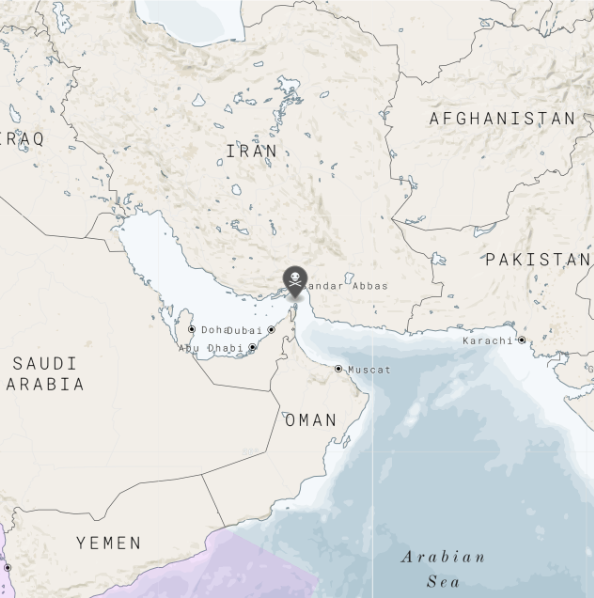
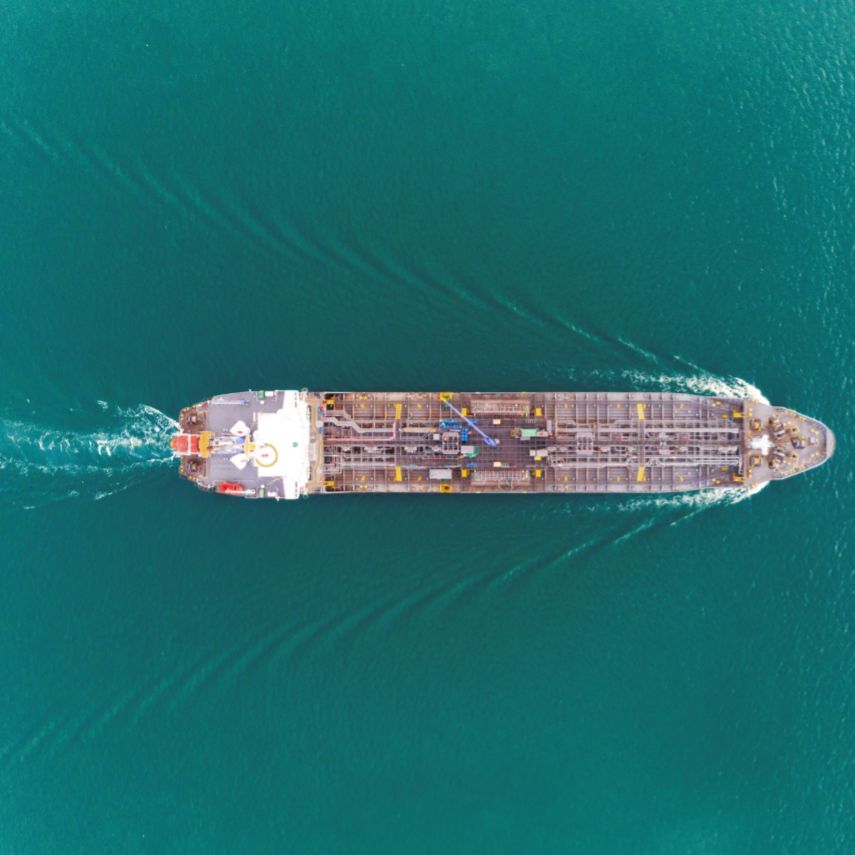
The strike on an inbound Container Ship in the Strait of Hormuz is consistent with a pattern of standoff projectile attacks against commercial vessels transiting one of the world's most contested waterways during an active state-on-state conflict. The use of an 'unknown projectile' is tactically significant: the deliberate ambiguity in characterisation — whether missile, drone-borne munition, or naval gun round — reflects both the degraded reporting environment in the strait and the multi-vector nature of the interdiction campaign being prosecuted there. Inbound transits are particularly exposed because vessels must maintain predictable courses and speeds through the confined navigable channel, reducing their ability to take evasive action and making them easier to target with precision or semi-precision munitions.
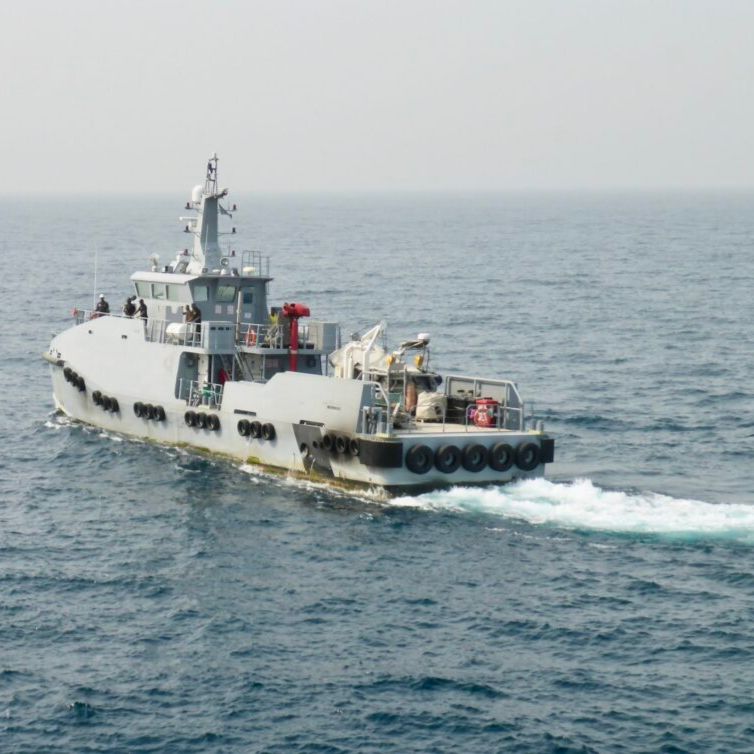
The time-late nature of the report is itself operationally notable. Delayed reporting in this environment can indicate crew incapacitation, communications damage, or deliberate suppression of distress signals — all of which complicate search-and-rescue and damage assessment. The incident also occurs in proximity to a previously reported mine hazard and at least one other vessel that suffered a security incident and was left disabled and adrift in the same general area in the weeks prior, suggesting a sustained and geographically concentrated interdiction effort rather than an isolated opportunistic attack. Operators should treat the strait's inbound lane as an active engagement zone and plan accordingly.