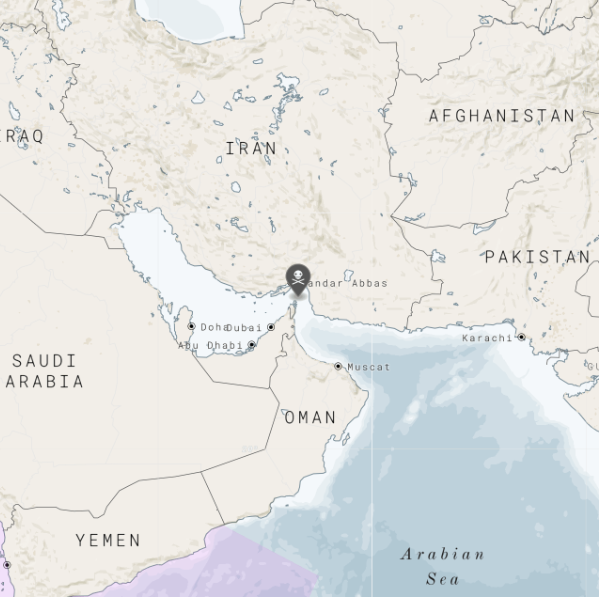
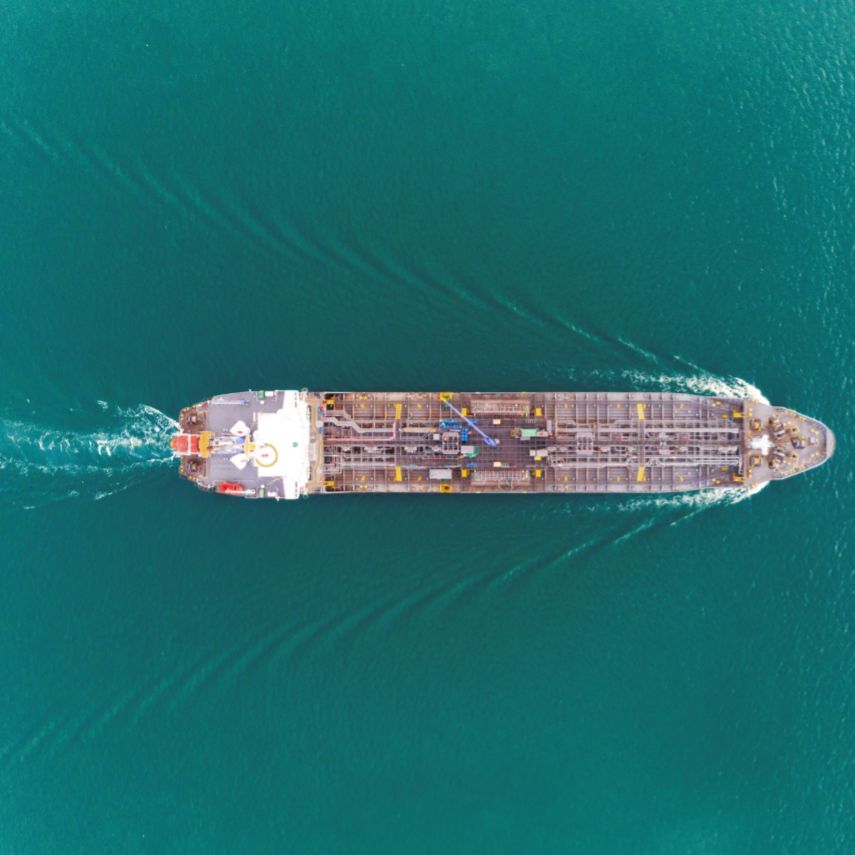
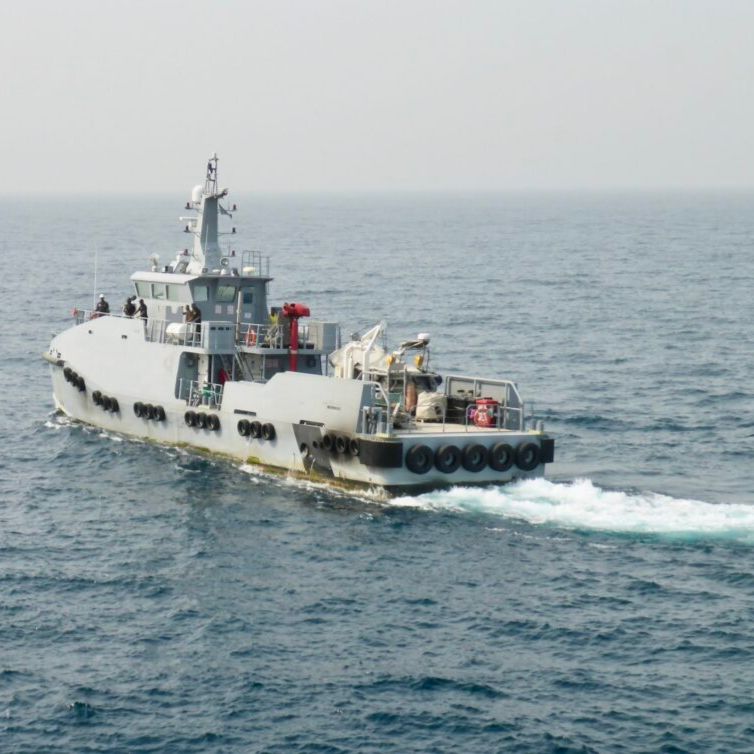
This incident is consistent with the pattern of standoff projectile attacks on commercial tankers that has characterised the ongoing armed conflict in the Strait of Hormuz region. The use of an 'unknown projectile' against an outbound tanker is tactically significant: outbound vessels are typically laden with cargo, making them higher-value targets, and the direction of transit may indicate the attacker had foreknowledge of the vessel's routing or was positioned to intercept traffic on a specific lane. The fact that the crew were confirmed safe despite a confirmed strike suggests either a limited warhead, a glancing impact, or a strike to a non-critical section of the hull — a pattern seen in previous incidents where projectiles appear calibrated to disable or signal rather than immediately sink. The time-late nature of the report introduces uncertainty about the precise circumstances and any immediate tactical response, and may reflect the degraded reporting environment that has become characteristic of this conflict zone.
The incident adds to a documented series of projectile and missile strikes on tankers in the strait and underscores that the interdiction campaign targets vessels regardless of flag or cargo direction. The environmental impact remaining unknown is operationally concerning given the vessel type; a laden tanker sustaining hull damage in a high-traffic chokepoint carries significant pollution and navigational hazard risk for subsequent transiting vessels. Operators should note that the combination of active mining, electronic warfare, and standoff strike capability in this area means that any single incident type cannot be assessed in isolation — vessels face a layered, multi-vector threat environment rather than a discrete and predictable attack profile.