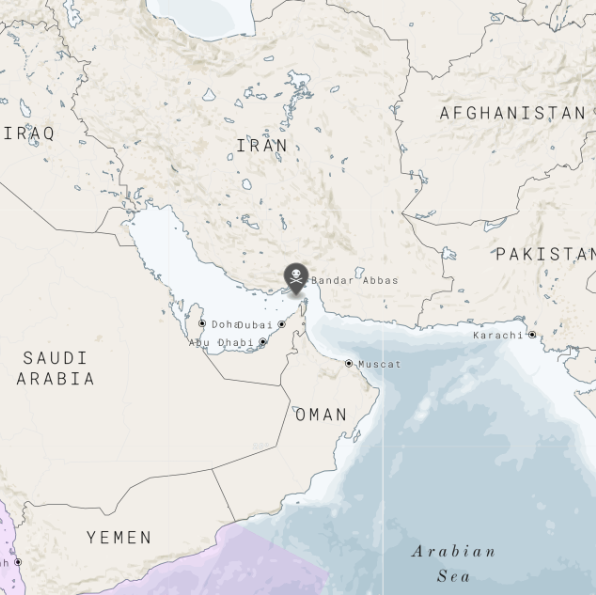
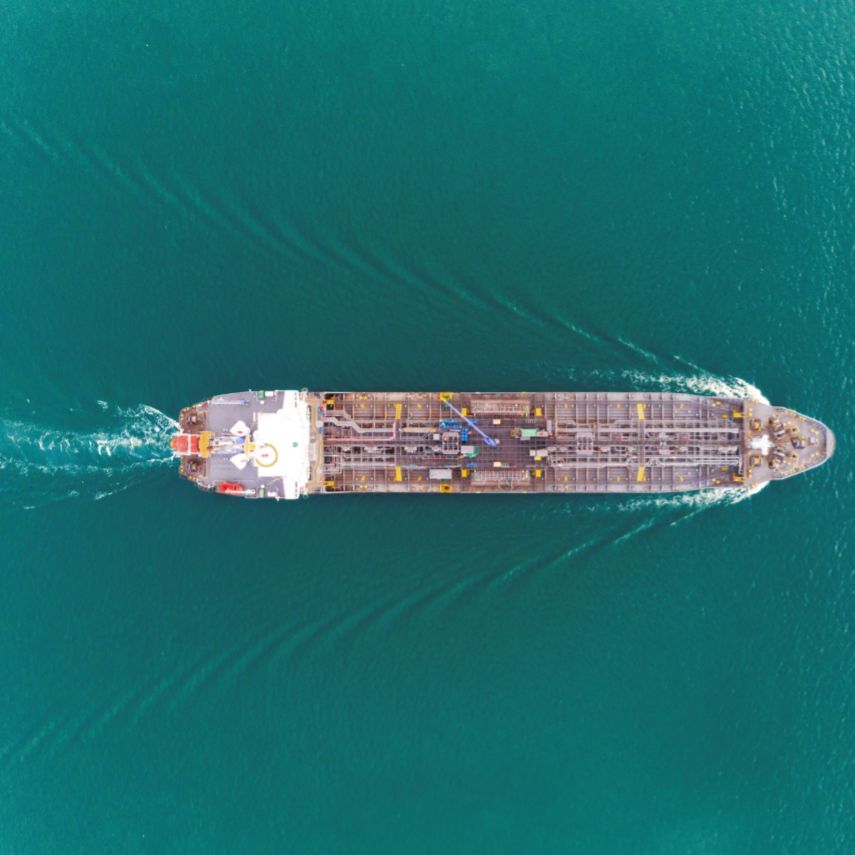
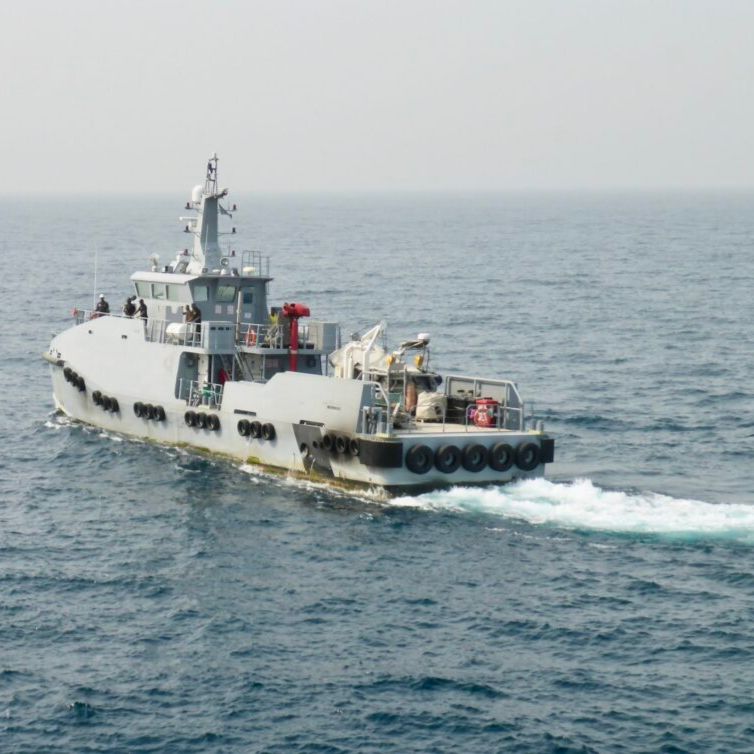
This strike on an outbound tanker in the Strait of Hormuz is consistent with a sustained campaign of standoff projectile attacks against commercial vessels transiting the waterway. The targeting of an outbound tanker — as opposed to an inbound vessel — is tactically noteworthy: outbound crude carriers represent high-value economic targets, and their interdiction directly disrupts export revenue flows. The use of an 'unknown projectile' is a deliberate characterisation reflecting the degraded information environment in the strait, where attribution between anti-ship missiles, loitering munitions, and UAV-borne warheads is frequently impossible without post-strike forensic access to the vessel.
The time-late nature of the report further underscores the information gap that has developed as commercial traffic volumes have collapsed and surviving vessels are reluctant to transmit detailed incident data in real time. The incident's location within the strait's outbound traffic lane places it in a zone where vessels have limited sea room for evasive manoeuvring, and where the combination of constrained routing, potential GPS degradation, and the presence of previously reported mines creates a compounding threat environment. Operators should treat any transit of this waterway — in either direction — as carrying a materially elevated risk of kinetic engagement, and should not interpret the absence of a confirmed attacker identity as reducing the severity of the threat.