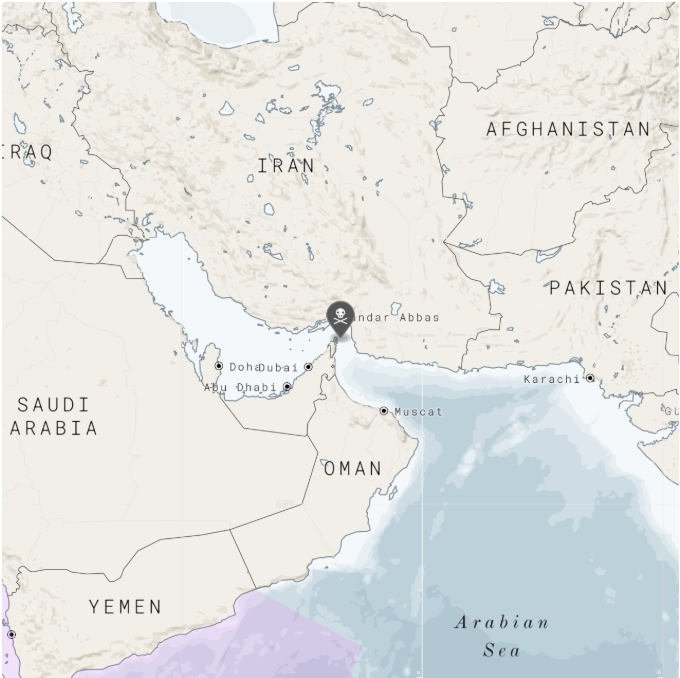
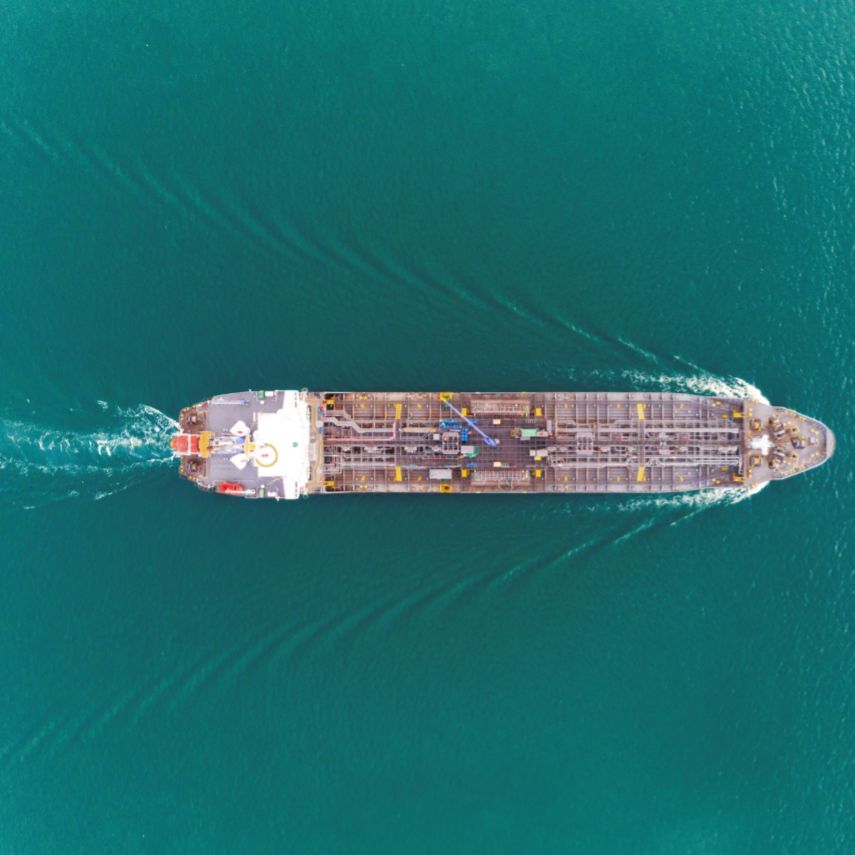
This incident is consistent with the pattern of standoff projectile attacks on commercial vessels transiting the Strait of Hormuz during the active US-Iran armed conflict. The use of an 'unknown projectile' against an inbound container ship suggests a deliberate targeting of commercial traffic, potentially as part of an ongoing interdiction campaign rather than opportunistic criminal activity. The fact that the vessel sustained only minor damage and was able to continue its voyage may indicate either a partial detonation, a glancing strike, or the use of a smaller munition possibly a warning or deterrent shot rather than a full-scale attack intended to disable or sink the vessel. This is tactically significant: it suggests the attacking party may be calibrating the level of force to coerce compliance with transit protocols rather than to destroy the vessel outright.
The timing of this incident, occurring during an inbound SoH transit, is operationally notable. Inbound vessels those entering the Persian Gulf may be subject to heightened scrutiny under the interdiction regime in force, particularly if they are perceived to be violating pre-approved routing requirements or carrying sanctioned cargo. The absence of casualties and the vessel's ability to continue passage may limit immediate reporting incentives, raising the possibility that similar low-damage strikes are being under-reported in the current degraded information environment. Operators should treat any unexplained impact, deck fire, or structural anomaly in this area as a potential hostile action and report accordingly.